






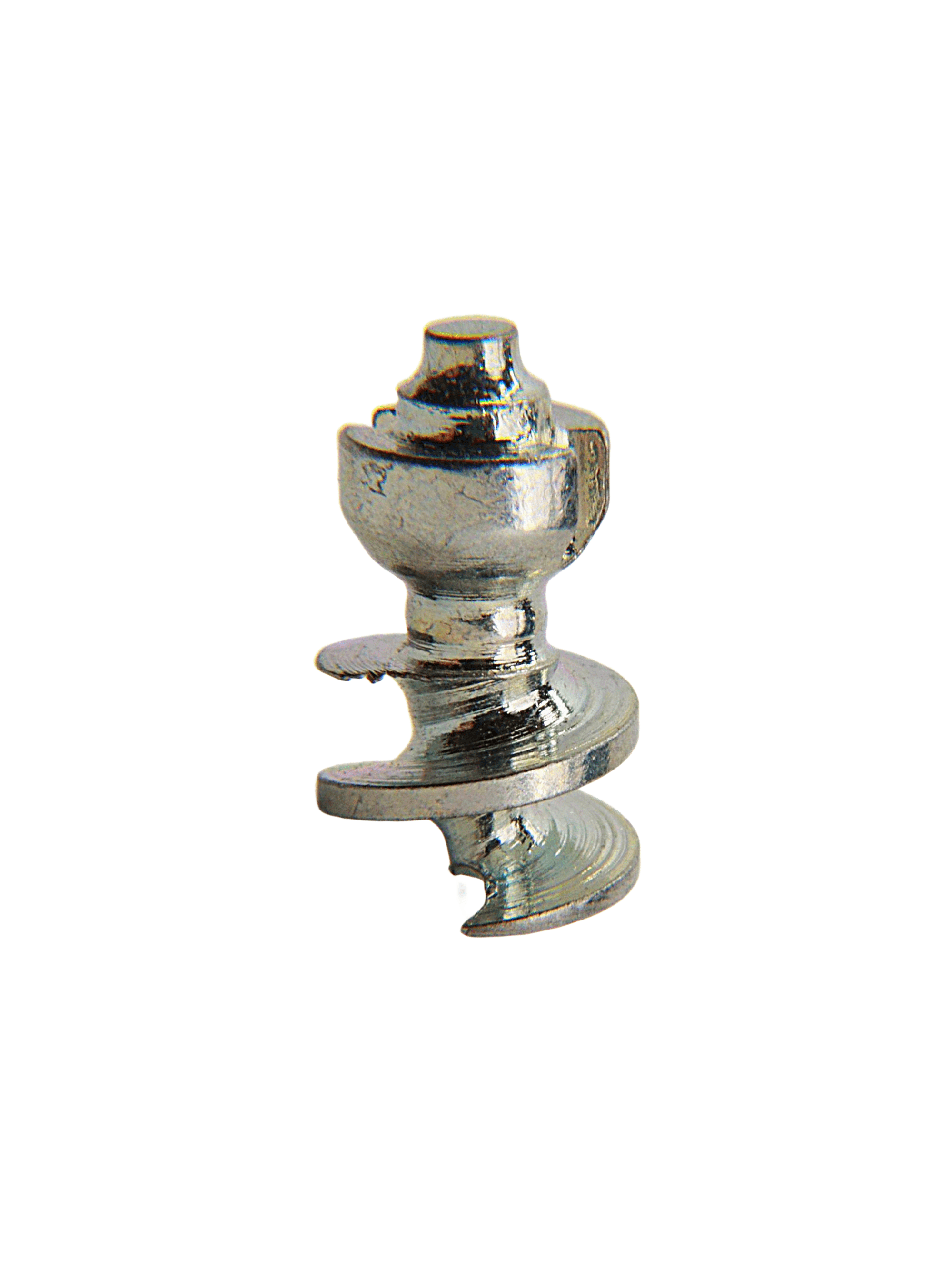
Do Grip Studs Damage Pavement or Concrete? What to Know About Surface Impact
We often get questions about how our studs affect the surfaces where you need traction.
The answer depends on a couple of key factors:
-
The surface type
-
How the machine is operated
Let’s break it down clearly.
Asphalt & Concrete
Hard surfaces like asphalt and concrete require controlled operation.
Grip Studs® are designed to deliver traction on ice and snow. On pavement, they do not dig in the same way, but they can mark the surface if the machine is handled aggressively.
What causes pavement damage?
Surface marking usually happens when:
-
A skid steer or compact track loader performs tight pivot turns
-
One track slows or stops while the other continues moving
-
Tires or tracks spin under load
-
The machine is overloaded and breaks traction
When tracks or tires drag across hard pavement, scratching or scarring can occur.
The studs are not the issue by themselves. The combination of traction hardware and abrupt machine movement is what creates impact.
How to reduce impact on pavement
Low-impact operation comes down to technique:
-
Use slow, gradual steering instead of abrupt direction changes
-
Avoid aggressive pivot turns on asphalt or concrete
-
Prevent tire or track spin
-
Push manageable snow loads to reduce spin-out
Operators who avoid sudden movements typically see minimal marking on hard surfaces.
Gravel & Dirt
Loose surfaces behave very differently.
On gravel or dirt:
-
Surface impact is minimal
-
Tight turning is generally acceptable
-
Forward and reverse travel does not create scarring
Because the surface shifts and absorbs movement, traction studs perform without creating visible damage concerns.
Do Hard Surfaces Wear Down the Studs?
Another frequent question is whether asphalt or concrete damages the studs.
In most cases, no.
However, continuous abrasion on hard surfaces will eventually cause wear over time. This is gradual and expected with any traction product used on pavement. It is not typically a concern in normal winter operations.
Studs used primarily on ice, snow, gravel, or dirt will generally experience slower wear than those operated constantly on concrete.
The Key Variable: Operator Control
The most important factor in preventing pavement damage is controlled machine operation.
Hard steering inputs, aggressive pivot turns, and spinning under heavy load are what create scratching. Slow, controlled movement significantly reduces surface impact.
Grip Studs® are engineered for traction. How the machine is operated determines how the surface responds.
 Back to Grip Studs Blog


